
May 02, 2025

Writen by admin

In the digital age, where visual clutter is rampant, the significance of minimalist graphic design principles cannot be overstated. Minimalist graphic design emphasizes simplicity, clarity, and functionality, making it a powerful approach for effective communication. This design philosophy strips away non-essential elements, allowing the core message to shine. By understanding and applying minimalist design principles, designers can create visually appealing and impactful works that resonate with their audience. This article will explore the key tenets of minimalist graphic design, their importance, and practical examples that illustrate their application.
Minimalist design principles focus on the idea that “less is more.” This concept encourages designers to eliminate unnecessary elements and distractions, enhancing the viewer’s experience. The primary goal is to convey a message or emotion with the least visual clutter.
Here are some of the essential minimalist design principles:
1. Simplicity
At the heart of minimalist graphic design principles lies simplicity. This principle advocates for a clean and straightforward approach where every element serves a purpose. By reducing the number of design elements, designers can create a more cohesive and easily digestible visual experience. Simplicity allows the audience to focus on what truly matters, whether a product, a message, or a brand identity.
2. Functionality
Functionality is another critical aspect of minimalist design principles. Every element in a design should serve a specific function and contribute to the overall user experience. This principle encourages designers to prioritize usability and accessibility while ensuring the design is visually appealing. In minimalist graphic design, the functionality of each component is paramount, as it directly impacts how the audience interacts with the design.
3. Use of Space
Effective use of space, or white space, is a hallmark of minimalist graphic design principles. White space refers to the empty areas surrounding design elements, and it plays a crucial role in enhancing readability and visual hierarchy. By allowing for ample white space, designers can create a sense of balance and harmony within their compositions. This principle also helps to draw attention to key elements, making them stand out more prominently.
4. Limited Color Palette
A limited color palette is a fundamental characteristic of minimalist graphic design. By restricting the number of colors used, designers can create a more cohesive and unified look. This principle not only simplifies the design but also enhances its visual impact. When selecting colors, designers should consider their psychological effects and how they align with the overall message of the design.
5. Typography
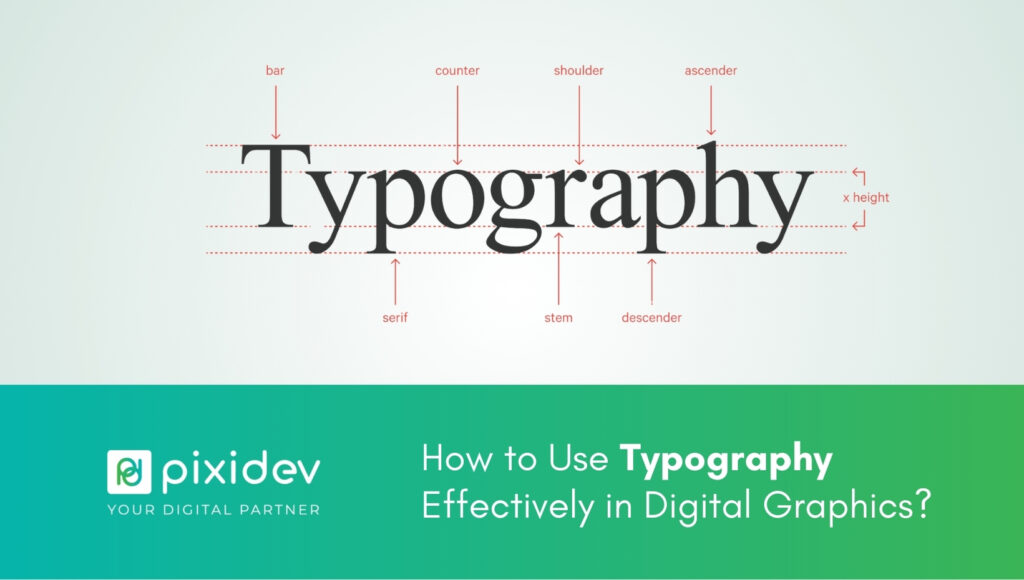
Typography plays a crucial role in minimalist graphic design principles. The choice of fonts should reflect the overall tone and message of the design while maintaining clarity and readability. Minimalist designs often favor sans-serif fonts due to their clean lines and modern appearance. Additionally, hierarchical typography can guide the viewer’s attention and establish a clear visual hierarchy.
6. Focus on Content
graphic design principles prioritize content over embellishments. The design should enhance the content rather than overshadow it. By stripping away unnecessary decorative elements, designers can ensure that the core message remains the focal point. This approach is particularly effective in digital media, where attention spans are short, and clarity is essential.
To better understand graphic design principles, let us explore some practical examples:
Apple’s Product Design: Apple is renowned for its minimalist design philosophy. Their product packaging and advertising campaigns exemplify simplicity, functionality, and a limited color palette. The focus is always on the product, allowing it to take center stage.
Google’s Homepage: Google’s homepage is a prime example of minimalist design. With its clean layout, ample white space, and simple typography, the focus remains on the search bar, making it easy for users to navigate.
Airbnb’s Branding: Airbnb employs minimalist design principles in its branding and website. Striking imagery, limited text, and a clean layout allow users to understand the platform’s offerings quickly.
Nike’s Advertising: Nike often utilizes minimalist graphic design. The bold use of typography, striking imagery, and ample white space create a powerful visual impact that resonates with its audience.
Understanding graphic design principles is crucial for designers creating effective and impactful visuals. By adhering to these principles, designers can achieve the following:
– Enhanced Clarity: Minimalist designs are easier to comprehend, allowing viewers to grasp the intended message quickly.
– Improved User Experience: Focusing on functionality and usability ensures that designs are user-friendly and accessible.
-Stronger Brand Identity: Consistently applying minimalist design principles can help establish a recognizable and cohesive brand identity.
– Increased Engagement: Clear and visually appealing designs are more likely to capture the audience’s attention and encourage interaction.
Creating effective and visually appealing designs and emphasizing simplicity, functionality, and a limited color palette, designers can enhance clarity and improve user experience. As visual communication continues to evolve, the relevance of minimalist design principles remains steadfast. By incorporating these principles into their work, designers can create impactful visuals that resonate with their audience and stand the test of time.